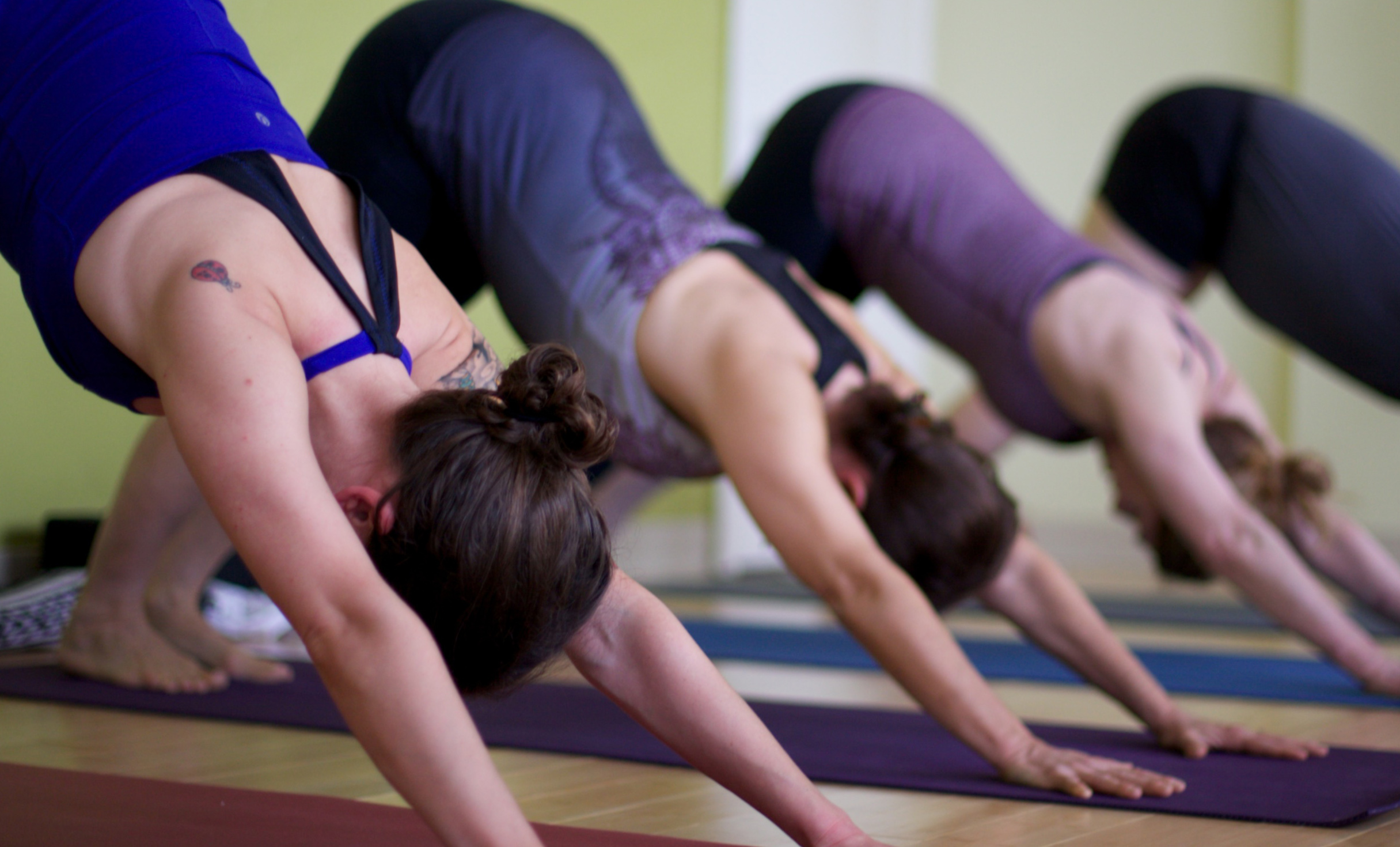
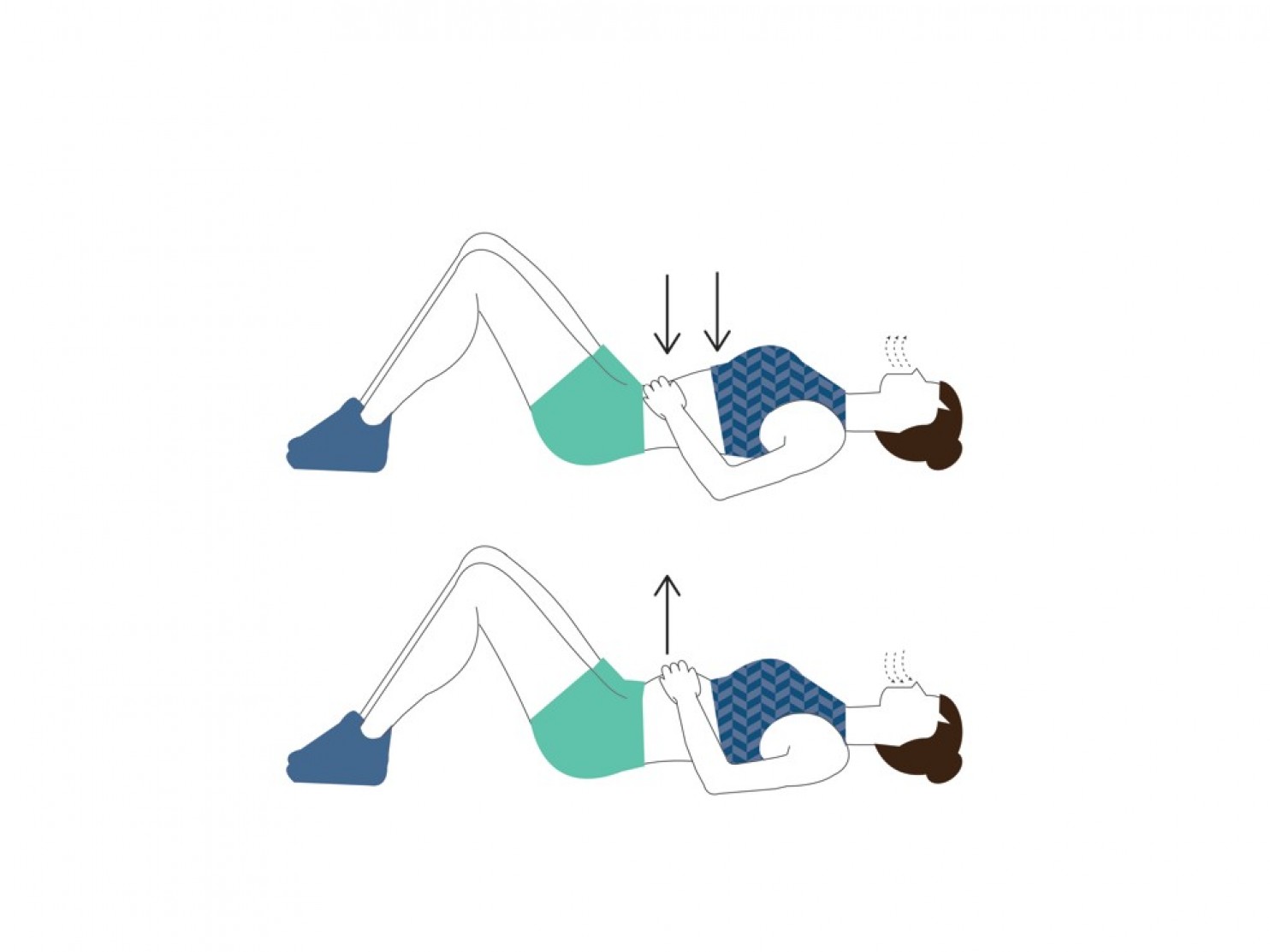
There are numerous studies that have documented the benefits of mindfulness and relaxation practices on health and wellbeing. Relaxation is more than unwinding in a warm bath or going for a walk in nature. It refers to a psychological and physiological state that allows you to counteract the stress your body feels. Regular practice of relaxation combined with breathing exercises can result in increased energy levels, reduced anxiety, reduction in muscle tension and pain, as well as improved concentration and memory. Many other skills learned through Cognitive Behavioral Therapy (CBT) to overcome anxiety, depression, and coping with chronic pain build on the capacity to achieve states of deep relaxation.
Tips for Effective Meditations and Relaxation
- Practice daily, at approximately the same time of day, for 20-30 minutes. This will help set up a routine and maximize the effects of relaxation. Initially, it may take the entire 30 minutes to feel any effect of relaxation, but with practice you will be able to achieve a state of relaxation more quickly.
- Find a quiet location, free from as much distracting noises as possible.
- Ensure you are in a comfortable position, with your head and neck If you are laying down, find a soft surface and place a pillow or two underneath your knees for further support. If you feel drowsy or sleepy, sitting in a comfortable chair with a good posture is a better option (to avoid falling asleep). You can put a pillow on your lap and rest your hands there, too.
Remove eyeglasses, take off shoes, remove any jewelry or tight fitting clothing, and let your hair down (if you have it tied back in a bun).
- Make a decision to clear your mind. Give yourself the permission to relax your mind from any concerns and worries in your life. It is helpful to direct your focus on your breath. If your mind happens to wander off, gently re-focus your attention back on your breath. But in doing this, do not judge your thoughts. Merely acknowledge them and redirect your attention to your breath.
- The most important tip is … Do not try to relax or control your body. Do not judge how well you can relax or whether you are applying the techniques correctly. Be in the present moment and allow your body to “let go.”